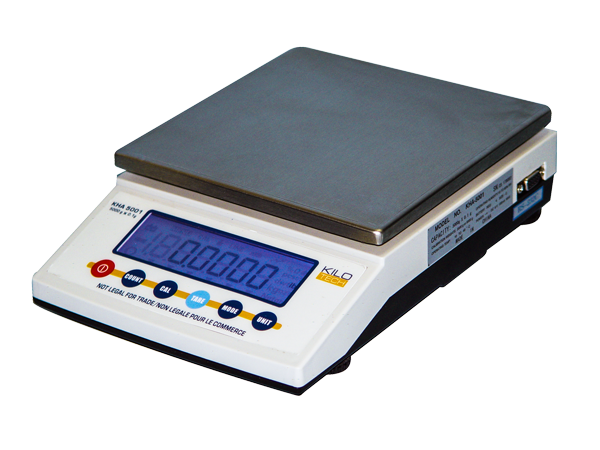
Weight is an important indicator of general health, and most doctor and hospital visits involve a weighing. Because of this reality, health care professionals must have access to accurate, easy-to-use weighing tools. Medical scales that are employed for weighing people are designed specifically for the measurement of humans. This means that many varieties can compensate to some degree for the slight variations in measurement caused by every subject’s involuntary movement. Such scales are usually electronic and feature digital readouts. Read More…
Our industrial scales will astound you with their high performance, and longevity! For over six decades we have been providing our customers with exceptional service and products in order to better serve a global market. Our products serve in many different markets including aerospace, automotive and marine as well as many others. Get in touch with us today to learn more about what we can do for...

Load Cell Central is a leading manufacturer of load cells and industrial weighing equipment. We specialize in standard and custom load cells and digital indicators, floor scales and platform scales. Choose from thousands of types and models. We offer load cell repair to help in the reduction of costs.

As a scale manufacturer, OHAUS is a worldwide leader in the production of industrial scales and balance scales. Our line of industrial scales includes electronic scales, bench scales and counting scales. Our mass measurement tools are helpful in the education of students for concepts in math & science. Contact us soon and we will deliver to you reliable results.

Mettler-Toledo’s industrial weighing solutions include accurate, robust WIM systems for high-volume, in-motion vehicle weighing. These systems offer proven reliability & ease of use for vehicle weight enforcement applications – more efficient & cost-effective than static axle or full-platform scales. Our broad range of industrial, food, retail, & lab scales & analytics serves so many...

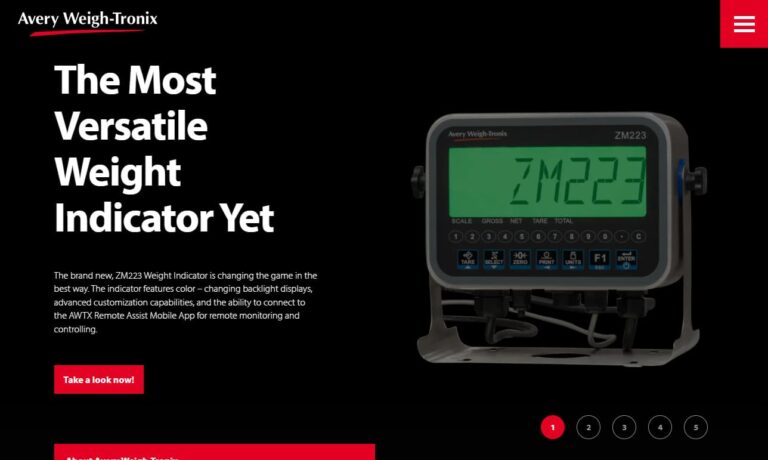
Avery Weigh-Tronix, one of the world’s largest suppliers of weighing solutions, has developed equipment for the full spectrum of industrial scale uses such as counting scales, bench scales, check-weighing scales, baggage scales, cargo scales, lift truck scales and many more. Innovative global weighing solutions – that’s what Avery Weigh-Tronix is all about! ISO 9001 Certified.
If you seek a digital scale, you are looking at the right company. Our selection from many name-brand scale manufacturers includes bench and floor scales; counting scales; electronic scales; freight and shipping scales; grain scales; hanging scales; industrial scales; pallet scales; postal scales. We have digital scales for any weighing application, and will match the price of any competitor for...

At Brecknell Scales, we are dedicated to delivering weighing solutions that combine accuracy, reliability, and ease of use. Our scales are designed to serve a wide range of industries, from manufacturing and logistics to food service and healthcare, ensuring that our customers can rely on precise measurements in their daily operations.

Cardinal/DETECTO is an ISO 9001:2008 registered company who designs, manufactures and markets weighing systems, load cells, weight indicators, remote displays, vehicle weight recording systems, and scales for all industries, including truck scales, weigh-in-motion highway scales, railroad scales, tank/hopper scales, livestock scales, bench scales, floor scales, counting scales, medical scales,...

As a leading scale manufacturer, Setra Systems also designs and produces pressure and acceleration sensing equipment. Some industrial scale products include counting scales and laboratory balance scales. We also offer additional accessories like draftshields and dustcovers.










More Medical Scale Manufacturers
Understanding Medical Scales: Types, Applications, and Decision Factors
Medical scales—sometimes called physician scales, hospital scales, clinical weighing scales, or healthcare weighing devices—are foundational tools for accurate weight measurement in every healthcare environment. From hospitals and clinics to fitness centers and home healthcare, these precision instruments support patient assessment, diagnosis, and ongoing care management. Choosing the right medical scale is an important decision for healthcare professionals, medical facilities, fitness organizations, and individuals seeking reliable health monitoring at home. In this detailed guide, we’ll explore the wide range of medical scales available, their features, applications, specific use cases, and the most important decision factors for buyers who demand accuracy, reliability, and ease of use in their weighing solutions.
What Are Medical Scales and Why Are They Important?
Medical scales are high-precision weighing devices specifically engineered for use in medical, clinical, and health-focused environments. Unlike standard household bathroom scales, medical-grade scales meet strict accuracy standards, offer greater repeatability, and are built to withstand frequent, rigorous use. Their role in clinical practice is critical, enabling:
- Monitoring patient weight fluctuations for early detection of health changes
- Assessing nutritional status and body mass index (BMI) for both children and adults
- Calculating medication dosages based on accurate patient weight
- Tracking growth and development in pediatric patients
- Supporting bariatric care, weight management, and chronic disease programs
- Recording baseline and ongoing data for medical procedures, diagnostics, and treatments
- Ensuring regulatory compliance and facilitating insurance requirements
Because accurate weight measurement is fundamental to diagnostics, treatment planning, and patient safety, medical scales are indispensable in any clinical workflow. Their integration with other medical equipment and digital health records further supports seamless healthcare delivery.
Common Types of Medical Scales and Their Key Features
1. Balance Scales (Beam Scales)
Classic balance scales, also known as physician beam scales, are still widely trusted in clinical settings for their mechanical accuracy and long-term reliability. These analog weighing devices use a system of calibrated counterweights on a balancing beam to provide precise, repeatable readings, often serving as the gold standard for weight measurement in many healthcare facilities. Their robust steel construction, ease of use, and independence from power sources make them ideal for hospitals, doctors’ offices, and community health clinics where consistent measurement is paramount.
Typical features of balance beam medical scales include:
- Heavy-duty steel frames for maximum durability and stability during use
- Graduated beams with clear, easy-to-read markings for fine measurement adjustments
- High weight capacities suitable for a broad range of patients, including bariatric use
- Optional integrated height rods (stadiometers) for simultaneous measurement of weight and height
- Minimal need for recalibration and very low maintenance requirements
- Mechanical operation, eliminating reliance on batteries or electrical sources
Balance scales are ideal for clinics and care settings where analog reliability, tactile feedback, and long-lasting performance are valued over advanced digital features. They are particularly well-suited for practitioners seeking maintenance-free scales that can deliver accurate readings year after year, regardless of environmental conditions or power availability.
2. Digital Medical Scales
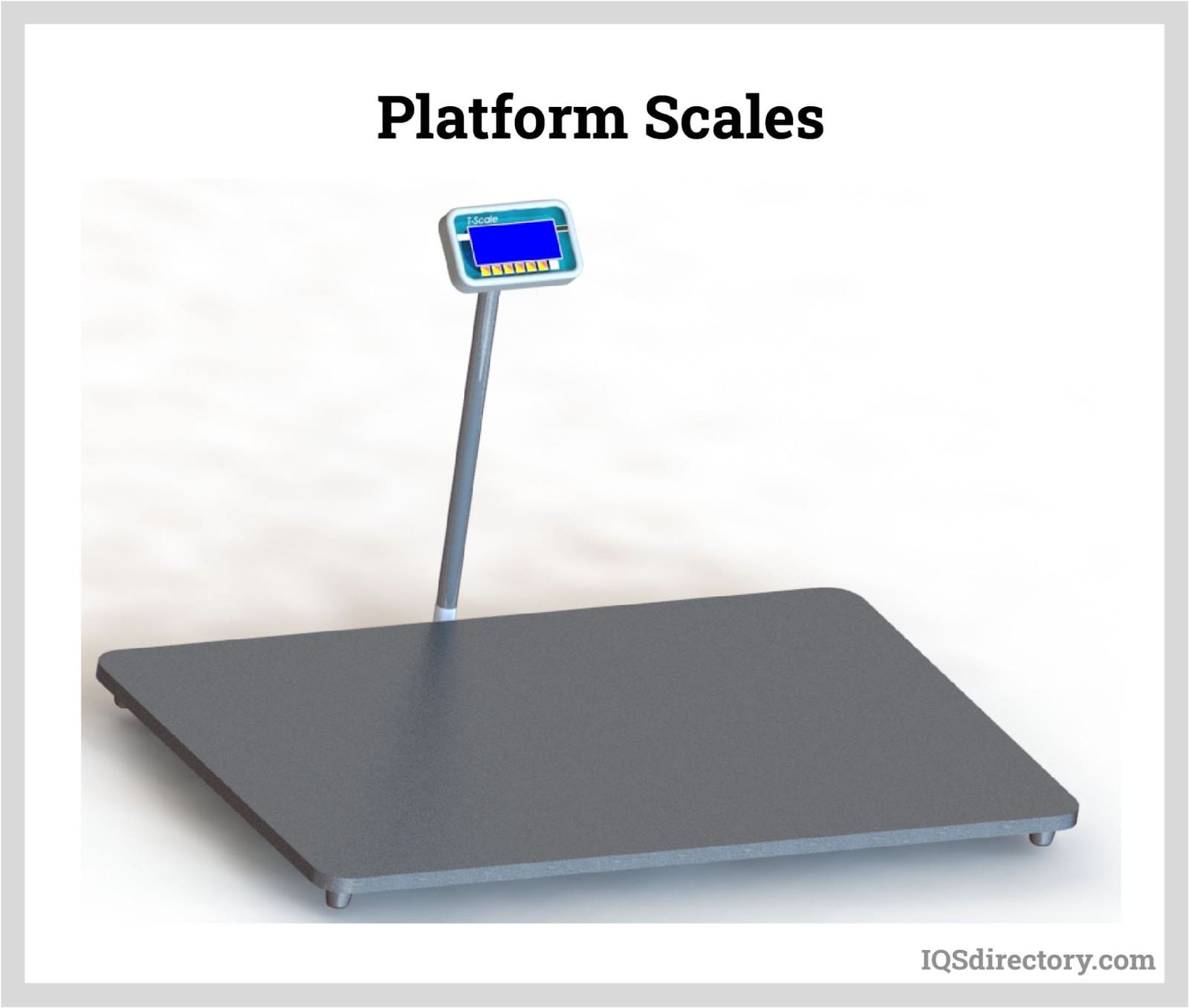
Digital medical scales have become the preferred choice in many modern healthcare settings due to their speed, convenience, and advanced technological capabilities. Using precision load cell technology, these electronic weighing scales can provide weight readings accurate to the nearest 0.1 lb or 0.05 kg, supporting a range of clinical and wellness applications. Digital scales are available in a variety of configurations, including floor-standing models, wall-mounted units, and portable designs suitable for both institutional and home use.
Key benefits and features of digital medical scales include:
- High-contrast, easy-to-read LCD or LED displays positioned at eye or waist level
- Rapid weight stabilization for efficient patient throughput and reduced wait times
- Automated BMI calculation and memory storage for tracking multiple users’ data
- Data connectivity options such as Bluetooth, Wi-Fi, or USB for seamless integration with electronic health records (EHR), telemedicine platforms, and remote patient monitoring systems
- Flexible power options, including AC adapters and battery operation, for use in a variety of settings
- Low-profile, anti-slip platforms and accessible step-on designs for patient safety and comfort
- Durable, easy-to-clean surfaces suitable for infection control protocols
Digital scales are especially useful for high-volume clinical environments, fitness and wellness centers, sports medicine facilities, and home healthcare providers. Their ability to interface with digital health record systems and patient management software streamlines clinical workflows and supports data-driven care decisions.
3. Specialty Medical Scales
Specialty medical scales address the unique weighing needs of specific patient populations, including those with limited mobility, bariatric patients, infants, and the elderly. These specialized weighing devices are designed with accessibility, comfort, and safety in mind, providing accurate measurements in challenging clinical scenarios.
Some common types of specialty medical scales include:
- Wheelchair scales: Feature low-profile or flush platforms with integrated ramps, allowing patients to be weighed while seated in their wheelchairs; often equipped with handrails, safety locks, and high weight capacities
- Bariatric scales: Heavy-duty, reinforced construction to safely accommodate larger patients, often with extra-wide platforms and higher maximum weight thresholds (up to 1,000 lbs or more)
- Infant and pediatric scales: Specially designed cradles or trays for newborns and children, offering high sensitivity and precision for monitoring growth and early development
- Chair scales: Incorporate a comfortable seat integrated with a weighing mechanism, ideal for elderly or frail patients who cannot stand unaided
- Bed scales: Allow for weighing bedridden patients by integrating weighing sensors beneath the bed or mattress, essential for intensive care and long-term care settings
- Veterinary medical scales: Adapted for weighing animals in veterinary clinics and research laboratories, featuring animal-friendly platforms and restraint options
These specialty scales are indispensable in hospitals, rehabilitation centers, nursing homes, pediatric clinics, and home healthcare settings. Their design ensures that all patients—regardless of mobility, age, or size—can be weighed accurately, comfortably, and safely.
Where Are Medical Scales Used? Key Applications and Environments
Medical scales play a critical role across a wide spectrum of healthcare, wellness, and fitness environments. Their versatility and precision make them suitable for:
- Hospitals and clinics: For routine patient check-ups, admissions, preoperative assessments, and ongoing care monitoring
- Doctor’s offices and outpatient centers: For regular check-ins, chronic disease management, and preventive care screenings
- Long-term care facilities and nursing homes: To monitor nutrition, hydration status, and subtle changes in patient weight that may indicate emerging health issues
- Fitness centers, health clubs, and sports facilities: For tracking body composition, muscle gain, fat loss, and overall wellness in athletes and community members
- Schools and educational institutions: For monitoring student health, growth, and athletic development, as well as supporting school nursing programs
- Residential and home care: For individuals managing chronic conditions, recovering from surgery, or seeking proactive health monitoring at home
- Specialty clinics (bariatric, pediatric, rehabilitation): To deliver tailored weighing solutions for patients with unique needs, such as those undergoing weight-loss surgery or pediatric growth monitoring
- Telehealth and remote patient monitoring: For patients participating in virtual care programs who need to regularly report accurate weight data to their healthcare providers
By serving such a wide array of environments, medical scales have become a backbone for both acute and preventative healthcare delivery, supporting better patient outcomes through dependable weight measurement.
What Features Should You Look for When Buying a Medical Scale?
With so many options available, selecting the best medical scale for your practice, facility, or personal use requires careful consideration of several factors. Here are the most important features and decision points to guide your purchasing process:
- Accuracy and precision: Look for models with certifications such as NTEP (National Type Evaluation Program), ISO (International Organization for Standardization), and other regulatory marks that guarantee accuracy and repeatability in a clinical environment.
- Weight capacity: Ensure the scale’s maximum weight limit meets or exceeds the needs of your patient population, from infants and children to bariatric adults.
- Platform size and accessibility: Wide, low-profile platforms with non-slip surfaces enhance safety and ease of use for patients with mobility challenges or disabilities.
- Display visibility: Choose large, backlit, high-contrast digital displays to minimize reading errors and speed up data collection, especially in busy clinics.
- Height measurement integration: Many medical scales feature integrated height rods or stadiometers for simultaneous height and weight measurement, supporting instant BMI calculation and comprehensive patient assessment.
- Portability and storage: Lightweight, foldable models with transport wheels are ideal for mobile healthcare teams, home visits, or multi-room facilities. Consider compact designs for tight spaces.
- Data connectivity: Evaluate whether you need Bluetooth, Wi-Fi, or USB connectivity options for integration with EHRs, telemedicine platforms, or mobile health apps. This is essential for practices embracing digital health solutions and remote patient monitoring.
- Durability and ease of cleaning: Opt for models with antimicrobial coatings and easy-to-wipe surfaces to support infection control and regulatory compliance.
- Extra features: Depending on your patient population, look for features such as grab handles, audible weight announcements, visual cues for visually impaired users, and memory storage capabilities.
- Warranty, support, and brand reputation: Reliable after-sales service, easy access to replacement parts, and positive user reviews help ensure long-term satisfaction and minimize operational disruptions.
Taking the time to define your use cases—such as routine clinical assessment, bariatric care, pediatric growth monitoring, or remote health tracking—will help match the right scale to your specific requirements and budget.
Benefits of Using Medical-Grade Scales Compared to Household Scales
Why do professionals and health-conscious individuals consistently choose medical-grade scales over basic home bathroom scales? The advantages are substantial, especially for those who prioritize accurate, actionable health data:
- Superior accuracy and reliability: Medical scales are engineered for clinical precision, delivering repeatable, traceable results that meet stringent regulatory standards.
- Enhanced durability and longevity: Constructed with commercial-grade materials to withstand frequent, high-volume use in medical or institutional settings.
- Advanced measurement functionality: Integrated features such as BMI computation, height measurement, weight trend tracking, and data connectivity are rarely found on consumer models.
- Accommodates wider patient populations: Higher weight capacities and accessible platform designs cater to all users—from newborns to bariatric patients—ensuring inclusivity and safety.
- Improved patient safety: Features such as anti-slip platforms, sturdy handrails, and stable bases reduce risk of falls or injury during use, especially for elderly or disabled patients.
- Regulatory compliance: Medical-grade weighing devices are often certified to meet international accuracy, safety, and hygiene standards, supporting healthcare providers in delivering quality care.
- Better support for integrated care: Seamless integration with EHRs and health management software enables efficient record-keeping, better care coordination, and improved patient outcomes.
Ultimately, investing in medical-grade scales translates to more reliable health data, better patient safety, stronger compliance, and improved clinical decision-making.
How Do Medical Scales Improve Patient Care?
The impact of accurate weight measurement on patient care cannot be overstated. Medical scales directly contribute to:
- Early identification of weight changes that may indicate fluid retention, malnutrition, heart failure, or other emerging health concerns
- Precise medication dosing based on current body weight, critical for pediatric, geriatric, and bariatric patients
- Ongoing assessment of treatment efficacy, nutritional interventions, and rehabilitation progress
- Facilitation of preoperative risk assessment and postoperative monitoring
- Support for chronic disease management and lifestyle modification programs
- Compliance with clinical protocols, documentation standards, and insurance requirements
- Empowering patients to engage in proactive health management through regular monitoring and self-assessment
Whether in acute care, long-term care, outpatient clinics, or home settings, the ability to obtain accurate weight data quickly and safely is a cornerstone of quality healthcare. Advanced features—such as trend analysis, automatic data logging, and telemedicine compatibility—further strengthen the connection between weight measurement and positive patient outcomes.
Frequently Asked Questions About Medical Scales
What is the most accurate type of medical scale?
Both balance beam and high-quality digital medical scales are capable of delivering highly accurate, repeatable measurements. Balance beam (mechanical) scales are often considered the reference standard in clinical environments for their mechanical reliability and minimal need for recalibration. However, certified digital medical scales can match or even surpass this accuracy, offering additional benefits such as automated BMI calculation, data storage, and integration with electronic health records. Choosing the "most accurate" scale depends on your need for analog simplicity versus digital features and connectivity.
Are medical scales easy to calibrate and maintain?
Modern medical scales are designed for user-friendly operation, straightforward calibration, and minimal maintenance. Mechanical balance beam models require occasional manual calibration with certified test weights and periodic inspection for mechanical wear. Digital scales often feature automatic calibration routines, easy-to-clean surfaces, and maintenance alarms. Adhering to manufacturer guidelines, scheduling regular inspections, and promptly addressing any wear or malfunction will help ensure ongoing accuracy and reliability.
Can medical scales be used at home?
Absolutely. Many manufacturers offer medical-grade home scales for individuals who want clinical-level accuracy in daily weight and BMI monitoring. These home-use scales are ideal for patients managing chronic conditions, athletes seeking precise progress tracking, and anyone who values reliable health data. Features such as digital displays, memory storage, and wireless connectivity are increasingly common in consumer-oriented medical scales.
What is the weight capacity of a typical medical scale?
Most standard adult medical scales support weights up to 350-550 lbs (160-250 kg). Bariatric scales are specifically designed for higher weight capacities, often accommodating users up to 800 lbs (360 kg) or even 1,000 lbs (450 kg). Pediatric and infant scales have lower maximum weights but are highly sensitive for tracking small changes in growth and development.
How do I choose the right medical scale for my facility?
Start by assessing your patient population, intended use cases (routine exams, bariatric care, pediatric monitoring, etc.), required features (height rod, wireless connectivity, portability), available space, and budget. Evaluate brands with a reputation for quality, compliance, and customer support. Research warranty coverage, service options, and spare part availability. Reading clinical reviews and seeking recommendations from other professionals can further inform your choice. Match the scale’s specifications—accuracy, capacity, connectivity, and safety features—to the needs of your practice to ensure optimal long-term value.
Latest Innovations in Medical Weighing Technology
The medical weighing industry is rapidly evolving, with new technologies designed to streamline workflows, enhance accuracy, and improve patient experience. Recent innovations include:
- Wireless and cloud-connected scales: Enable real-time data transfer to EHRs, telehealth platforms, and remote monitoring systems, supporting virtual care and chronic disease management.
- Touchless operation: Reduces cross-contamination risk by using sensors or voice activation for hands-free weighing, critical for infection control in clinical settings.
- Integrated vital sign analysis: Advanced models now combine weight measurement with blood pressure, heart rate, and comprehensive body composition analysis (fat, muscle, water content).
- Smartphone and app compatibility: Patients and clinicians can use mobile devices to track weight trends, set reminders, and share data securely for coordinated care.
- Improved mobility and portability: Lightweight, foldable designs, rechargeable batteries, and integrated wheels make it easier for healthcare professionals to conduct in-home or multi-site patient assessments.
- Artificial intelligence and predictive analytics: Some connected scales use AI to flag abnormal weight trends, support predictive care, and automate health alerts for clinicians and patients.
These innovations are transforming how healthcare providers and patients use medical scales, making weight management more efficient, accurate, and patient-centered than ever before.
How to Maintain and Calibrate Medical Scales for Optimal Performance
Maintaining peak performance from your medical scale is essential for sustained accuracy, regulatory compliance, and patient safety. Follow these best practices for optimal care:
- Clean the scale regularly using manufacturer-approved disinfectants to prevent cross-contamination, especially in high-traffic or multi-user environments
- Visually inspect the scale for signs of wear, damaged components, or loose connections before each use
- Adhere to a regular calibration schedule, using certified reference weights or automatic calibration features as specified by the manufacturer
- Document all maintenance and calibration activity as part of your facility’s quality assurance and compliance programs
- For portable and electronic models, store in a dry, protected environment to prevent moisture damage and ensure longevity
- Replace batteries or power sources as recommended to avoid errors, downtime, or data loss
- Train staff on proper operation, cleaning, and calibration procedures to minimize user error and maximize lifespan
- Keep detailed records of repairs, software updates, and part replacements to support continuous quality improvement
Proactive maintenance ensures your medical weighing equipment continues to meet accuracy standards, supports patient safety, and delivers a strong return on investment.
Medical Scales in Modern Healthcare: Use Cases and Decision Factors
As healthcare delivery models evolve, medical scales remain central to a broad range of use cases. Consider the following scenarios to determine which scale best matches your needs:
- Primary care clinics: Require reliable, easy-to-clean digital or mechanical scales with integrated height rods for quick patient assessments
- Bariatric centers: Need high-capacity, reinforced scales with extra-wide platforms and robust safety features for larger patients
- Pediatric practices: Benefit from sensitive, cradled infant and child scales to track developmental milestones and growth patterns
- Rehabilitation and geriatric care: Prefer wheelchair or chair scales that accommodate patients with limited mobility while ensuring safety and comfort
- Home health and telemedicine: Favor portable, wireless-enabled digital scales that enable remote monitoring and seamless data sharing with care teams
- Fitness centers and sports medicine: Use body composition scales that analyze muscle mass, fat percentage, and hydration status for performance tracking
Decision factors should also include anticipated patient volume, available physical space, integration with IT systems, and future scalability as your facility or program grows.
Conclusion: Finding the Best Medical Scale for Your Needs
Choosing the best medical scale is a strategic decision that has a significant impact on patient care, operational efficiency, and compliance with healthcare standards. Whether your organization requires a classic mechanical balance scale, a feature-rich digital model, or a specialized solution for bariatric, pediatric, or mobility-impaired patients, understanding your specific requirements is the key to a successful purchase. Evaluate accuracy, weight capacity, usability, safety features, digital connectivity, and the environments in which the scale will be used. Take advantage of the latest technological advances to support integrated care and empower both clinicians and patients with reliable health data.
If you are ready to enhance your healthcare facility, fitness center, or personal health management routine with a high-quality medical scale, review your options carefully and consult with knowledgeable suppliers to ensure you select the ideal product for your unique use case. Prioritizing accuracy, durability, and compliance will ensure your investment provides dependable service and supports exceptional health outcomes for years to come.